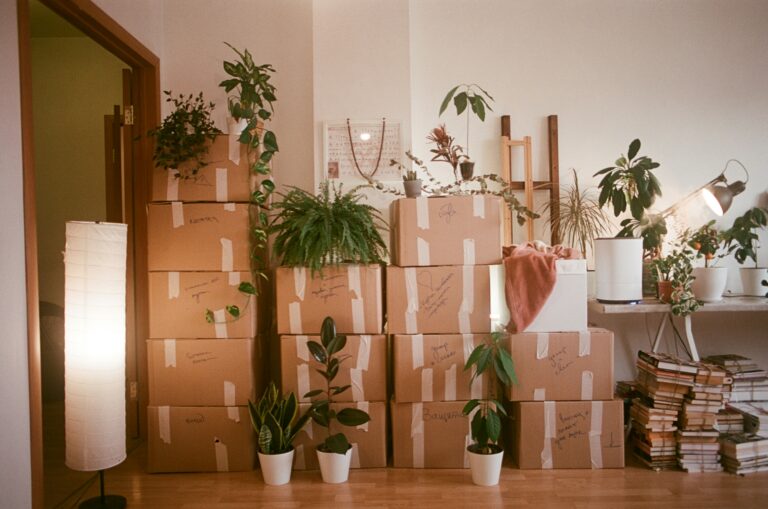
Moving house is never easy – in fact, it’s one of the most stressful experiences of modern life. And kids can make it even more stressful on pretty much every level. Kids thrive on routine and can get very attached to the homes and environments where they feel safe and secure, so boxes, viewings, paperwork and goodbyes can be quite distressing for them. However, with careful planning, honest communication and a few practical shortcuts, you can make the move smoother for everyone.
Prepare early
Start by creating a realistic moving timeline, working backwards from completion or moving day. If you need extra flexibility for trips to storage, charity shops or the tip, you may want to think about your vehicle needs in advance and when choosing a new car, consider whether it offers enough space for everything you need to transport. Keep a simple checklist on your phone and break jobs into small tasks, such as booking removals, collecting boxes, changing addresses and sorting childcare.
Talk to your children early
Even very young children can sense when something big is happening. Explain the move in simple, positive language and give them time to ask questions. Avoid promising that everything will be perfect, but reassure them that their family, toys and bedtime routines are coming too.
For toddlers and preschoolers, picture books about moving house can be helpful. Older children may enjoy looking at photos of the new home, choosing ideas for their bedroom or marking the moving date on a calendar. If possible, take them to visit the new area, pointing out parks, shops, schools and other familiar-sounding places.
Declutter before you pack
Moving with children usually means moving a surprising amount of stuff. Clothes they have outgrown, broken toys, duplicate books and unused baby equipment can quickly fill boxes. Decluttering before packing saves time, money and space.
Remember, however, that the change of the move will be unsettling for young children, which may mean that they want to cling even closer to familiar toys and furniture. So, be sure to keep favourite comfort items, special books and much-loved toys well away from donation piles. For older children, involve them gently by asking which toys another child might enjoy.
Pack a family essentials box
Your first night in the new home will be much easier if you can find the basics quickly. Pack an essentials box or suitcase for each child with pyjamas, clothes, nappies, wipes, medication, toothbrushes, comforters, snacks and a couple of favourite toys.
Also prepare a household box with toilet roll, phone chargers, basic cleaning supplies, mugs, tea bags, breakfast items, a kettle, bin bags and important documents. Label these boxes clearly and keep them with you rather than letting them disappear into the removal lorry.
Keep routines as normal as possible
In the run-up to moving day, try to protect mealtimes, naps and bedtimes. Children cope better with change when familiar routines stay in place. You may be surrounded by boxes, but a normal bedtime story or Saturday morning breakfast can be surprisingly grounding.
If your child attends nursery or school, let staff know about the move. They may notice changes in behaviour and can offer extra reassurance. If you are moving schools, arrange visits where possible and talk positively about new friends and teachers without dismissing any sadness about leaving.
Arrange help for moving day
Moving day is busy, noisy and potentially unsafe for young children. Doors are left open, heavy furniture is carried around and adults are often distracted. If you can, ask a grandparent, friend or trusted babysitter to look after the children for several hours.
If childcare is not possible, set up one safe room with toys, snacks, drinks and a tablet or films for short bursts. Make sure one adult is clearly responsible for the children at all times. It is far better to accept some screen time than risk stress or accidents.
Say goodbye properly
Children may need help understanding that leaving one home means saying goodbye to familiar rooms, neighbours and local places. Take photos of the old house, bedroom, garden or front door. You could make a small memory book together.
Let them say goodbye in their own way, whether that means waving to the house, drawing a picture or visiting a favourite playground one last time. These small rituals can give children a sense of closure.
Settle in gently
Once you arrive, prioritise children’s bedrooms or sleeping spaces. Familiar bedding, night lights and soft toys can make a strange room feel safe. Do not worry about unpacking everything immediately; focus first on food, sleep and comfort.
Expect some unsettled behaviour, such as clinginess, tantrums or sleep disruption. This is normal and usually temporary. Offer patience, reassurance and plenty of cuddles. With time, routine and a little exploring, your new house will begin to feel like home.