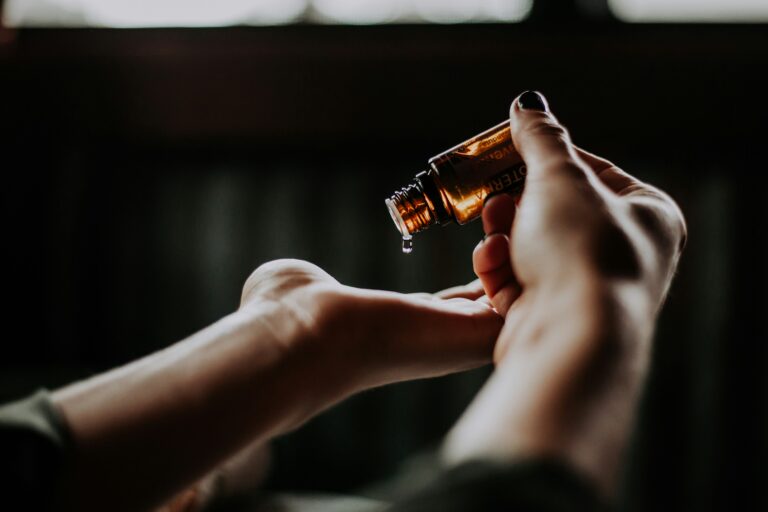
Aromatherapy is something that you might have heard a lot about, without ever really understanding how it actually works. Smells are deeply connected to things like memory, health and emotion, which is why people often use naturally extracted essences from plants to support wellbeing in the body and mind.
The practice of utilising essential oils for aromatherapy pushes beyond simply trying to make a room “smell better”. It’s a biological technique that interacts with your olfactory system, which in turn connects to your brain’s limbic system; the part of the brain that connects to memory, stress, heart rate and blood pressure.
This article explores the basic ins and outs of aromatherapy as a concept, so you can get a better grasp on how it might benefit you in your life.
How people use aromatherapy
There are two primary methods for using aromatherapy smells for therapeutic effect. Essential oils derived from various plant sources are mostly used through inhalation (aromatic) and absorption (topical).
- Inhalation, using an ultrasonic diffuser, from a few drops to a bowl of steaming water or even just inhaling through a bottle, will influence your mood or clear your sinuses the fastest.
- Absorption, through topical creams, bath products or oil during an aromatherapy massage, can allow for soothing effects to the muscles or skin. These processes also create a relaxing atmosphere, as the essential oils permeate the room.
Some other forms of aromatherapy exist, such as using diffuser jewellery and room scenters, but inhalation and absorption will always be the most effective.
The 5 core essential oils and their effects
There are some real pitch hitters when it comes to the essential oils. Five extracts used in aromatherapy massage oils and inhalation products are, for lack of a better word, essential to know if starting your journey with this therapy.
| Essential oil | Primary benefit | Best used for |
| Lavender | Calming & sedative | Reducing evening anxiety, improving sleep quality and soothing minor burns or bug bites. |
| Peppermint | Energizing & cooling | Boosting focus, easing tension headaches (applied to temples) and relieving nausea or sinus congestion. |
| Eucalyptus | Decongestant & purifying | Clearing the respiratory tract during a cold and treating sore muscles. |
| Tea Tree | Antimicrobial & healing | Fighting acne, minor skin infections or acting as a natural household cleaner. |
| Sweet Orange | Uplifting & refreshing | Boosting low mood, reducing stress and creating a bright, energetic environment. |
Having a simple understanding of these core essential oils will allow you to start making a difference with aromatherapy in your life.
How to be safe with aromatherapy
Choosing an aromatherapy oil massage or inhalation therapy should be done with care. Essential oils are still highly concentrated chemical compounds that need to be treated with some reverence for their potency.
- Never apply essential oil directly to the skin. It needs some sort of dilution with a carrier oil, such as jojoba, before application to the body. The right ratio is generally about 2% essential oil to 98% carrier.
- Pets & children should be kept away from essential oils. Even though they’re natural, they can be highly toxic to dogs and cats, as well as make children sick if they ingest them.
- Don’t let citrus oils out in the sun or allow them to be over-exposed to UV light. If you apply them to your skin, then go out in the sun or for a tan, you’re more likely to experience severe sunburn.
- In general, you should never swallow essential oils, as this can cause severe irritation of the mucosal lining of your oesophagus and stomach.
By understanding the basics of aromatherapy, you can start to make the most of it in your everyday life. Utilising essential oils opens the door for experiencing everything from uplifting effects to calming sedative practices. Get started today!