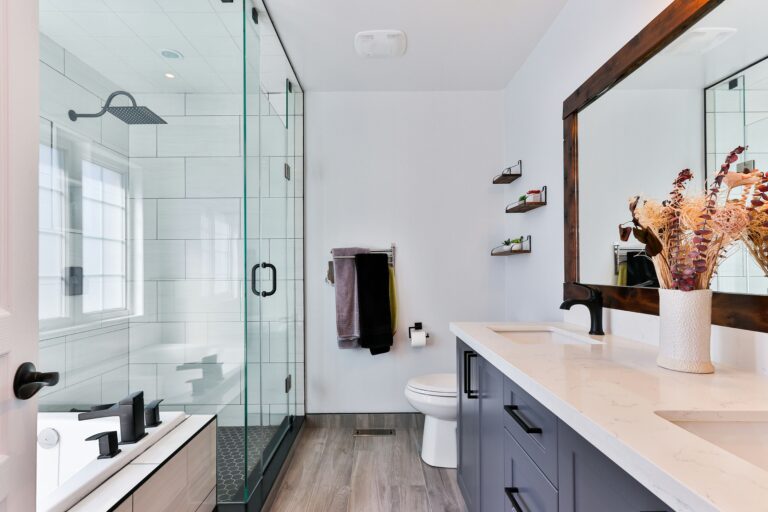
Using more than one tile style can give a bathroom greater depth, texture and personality. However, combining tiles successfully isn’t simply about choosing several designs you like. The colours, sizes, finishes and patterns need to relate to one another so the room feels considered rather than visually crowded.
For homeowners planning a Fully Fitted Bathroom, thinking about the tile scheme early can help the rest of the design fall into place. Tiles can influence the appearance of furniture, sanitaryware and lighting, so choosing them as part of the wider scheme is usually more effective than treating each surface separately.
Build the Scheme Around One Main Tile
When combining several tiles, it helps to make one style the lead. This might be a simple neutral tile covering most of the walls, with a second design used to create contrast in a particular area.
The main tile provides a visual foundation, allowing other materials to add interest without competing for attention. For example, a simple stone-effect tile could be paired with a smaller geometric design around the basin or shower.
Keeping one tile relatively understated gives you more freedom to introduce pattern elsewhere without making the bathroom feel overwhelming.
Let Colour Connect Different Tile Styles
Colour is one of the easiest ways to make different tiles feel as though they belong together. They don’t have to be identical, but having a shared tone or complementary shade can create a stronger sense of cohesion.
You might pair warm beige wall tiles with slightly darker sandy flooring, or combine soft grey tiles with a muted blue feature. The relationship between the colours matters more than choosing tiles from exactly the same collection.
If you’re introducing a bold colour, consider using it in a smaller area. This lets it become a focal point while the surrounding surfaces stay calmer.
Play With Different Tile Sizes
Using tiles of different sizes can create subtle visual layering without relying heavily on pattern. Large-format tiles can provide a clean backdrop, while smaller tiles can add detail around a basin, shower or bath.
The contrast in scale gives the eye something to explore, particularly when the colours remain connected. For example, a large neutral wall tile could sit alongside smaller tiles in a similar shade around a specific feature.
Different sizes can also help define separate areas within an open bathroom layout without requiring physical partitions.
Combine Shapes for More Character
Tile shape can be just as influential as colour. Rectangular tiles offer a classic foundation, while hexagons, squares and other geometric shapes can introduce a more distinctive element.
A geometric tile doesn’t need to cover an entire wall. Using it on the floor or as a small feature can be enough to give the room a more individual appearance.
When combining shapes, try to keep at least one other element consistent. A shared colour palette is often enough to make different shapes feel connected.
Mix Matt and Gloss Finishes
Different surface finishes can add another layer to a bathroom design. Gloss tiles reflect light and can create a brighter, polished look, while matt finishes tend to create a softer, more understated effect.
Combining the two can create subtle contrast without introducing another colour or pattern. A matt wall tile paired with a glossy feature can catch the light differently throughout the day, adding depth to an otherwise simple scheme.
However, consider where each finish is used. Flooring needs to suit a wet environment and provide an appropriate level of slip resistance.
Use Pattern With Restraint
Patterned tiles can bring plenty of personality to a bathroom, but they work best when given room to stand out.
A patterned floor can work well with plain walls, while a decorative shower wall can become the focal point when the rest of the room remains relatively simple. Using the same pattern across every surface can make the design feel much heavier.
Consider each tile’s visual weight. Strong patterns, dark colours, and busy textures all attract attention, so combining several in one room requires careful balance.
Create Zones Without Building Walls
Different tile combinations can help separate areas within the bathroom. This can be particularly useful in larger rooms or spaces that include both a bath and a shower.
For example, a distinctive tile around the shower can visually define the wet area, while a different but complementary finish can be used around the bath. This change in surface creates separation without making the room feel divided.
This approach can also make a bathroom feel more thoughtfully designed because each area has its own visual identity.
Don’t Forget the Floor
Consider the floor as part of the overall tile scheme rather than selecting it separately at the end. It can either provide a quiet foundation or become one of the room’s main features.
If the walls already have several tile styles, a relatively simple floor may create the balance the room needs. If the walls are understated, a patterned or textured floor can add interest without making the design feel excessive.
The relationship between the floor and walls matters most in smaller bathrooms, where every surface is visible at once.
Use Grout to Bring Everything Together
Grout colour can either emphasise individual tiles or help different surfaces blend together. A contrasting grout makes tile shapes and patterns more obvious, while a closely matched shade creates a quieter appearance.
When combining several tile styles, matching the grout across different areas can sometimes help create continuity. Alternatively, a deliberately contrasting grout can highlight a particular feature.
It’s a small detail, but it can have a surprisingly noticeable effect on the finished design.
Keep the Rest of the Room in Balance
Once you’ve chosen your tile combinations, consider how they interact with the other elements in the bathroom. Furniture, taps, mirrors, lighting and accessories should complement the tile scheme rather than competing with it.
If the tiles provide plenty of pattern and texture, simpler furniture can create a calmer backdrop. Similarly, a relatively plain tile scheme gives you more freedom to introduce character through fittings and accessories.
The goal is to create layers without creating clutter.
In Conclusion
Combining bathroom tiles successfully comes down to finding relationships between colour, scale, shape, texture and finish. You don’t need several dramatically different designs to create depth. Even subtle variations can make a bathroom feel more interesting and carefully considered.
Choose one main tile as your foundation, then introduce complementary styles in carefully selected areas. By keeping the colours connected and allowing stronger patterns or textures enough space to breathe, you can create a layered interior that feels stylish, balanced and cohesive rather than busy.