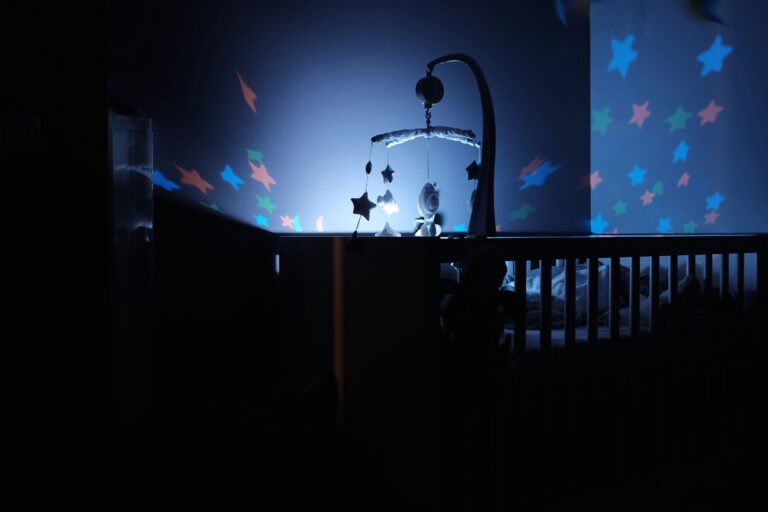
How to support your baby’s sleep without compromising your values, or your sanity.
I became a parent with a clear philosophy: responsive, gentle, led by my baby’s cues. I also became a parent who, by month four, was so sleep-deprived that I put the kettle in the fridge and could not remember my own middle name. The tension between wanting to parent gently and desperately needing sleep is something nobody warns you about at the antenatal class.
The good news is that gentle parenting and decent sleep are not opposites. They never were. But it took me a while to let go of the guilt around using tools and products to support my baby’s sleep, rather than relying solely on proximity and patience.
Why Sleep Guilt Is So Common Among Conscious Parents
If you have spent any time in attachment parenting circles, you have probably absorbed the message that your baby should sleep near you, that any form of sleep training is harmful, and that good parents simply endure the exhaustion. There is a kernel of truth in the first two points. Co-sleeping has deep roots in human history, and controlled crying is not for everyone.
But the leap from “be responsive” to “never use any sleep aid” is a false one. A sound machine is not a substitute for comfort. A sleeping bag is not a replacement for closeness. They are tools that create a more consistent, comfortable sleep environment, and they work alongside your presence, not instead of it.
The Case for Sound as a Sleep Cue
In the womb, your baby was surrounded by constant noise: your heartbeat, blood flow, digestion. The idea that babies need silence to sleep is actually quite modern. For most of human history, babies slept in busy, noisy households.
A white noise machine recreates something closer to that womb environment. It provides a steady auditory backdrop that helps babies filter out sudden noises, like a door closing, a sibling shouting, or the postman who seems to time every delivery to coincide with nap time.
When choosing one, look for options with natural sound settings and a volume you can set at a safe level. Place it at a distance from the cot, not right next to your baby’s ears. The idea is a gentle, consistent hum, not a wall of sound.
Sleeping Bags: Warmth Without the Worry
One of the simplest changes I made was switching from blankets to a sleeping bag. Blankets can be kicked off, pulled over faces, or bunched up into uncomfortable lumps. A good sleeping bag stays put and keeps your baby at a consistent temperature through the night.
The key is choosing the right tog rating for the season. In the UK, you will likely need a lighter option for summer and a warmer one for winter. Baby sleeping bags with a design that allows natural movement, especially around the arms, tend to work best because they let your baby settle into their preferred sleep position without restriction.
For eco-conscious families, look for bags made from organic cotton or sustainably sourced materials. Several brands now offer sleeping bags that align with greener values, so you do not have to compromise on ethics for the sake of practicality.
Creating a Sleep Environment That Feels Right
Gentle sleep is not about following a rigid checklist. It is about understanding what your particular baby needs and building an environment that supports it. For some families, that means co-sleeping with a bedside cot. For others, it means a cot in a separate room with a sound machine and a sleeping bag.
What matters is that you are making thoughtful, informed choices. Using a sleep aid does not mean you are outsourcing your parenting. It means you are recognising that both you and your baby deserve rest, and that rest makes you a better, more patient, more present parent during the day.
Permission to Rest
If you are reading this at 3am with gritty eyes and a cold cup of tea, here is what I wish someone had told me: you are not failing. Using tools to help your baby sleep is not a compromise. It is common sense dressed up as controversy. Your baby needs a rested parent just as much as they need a responsive one, and those two things can absolutely coexist.