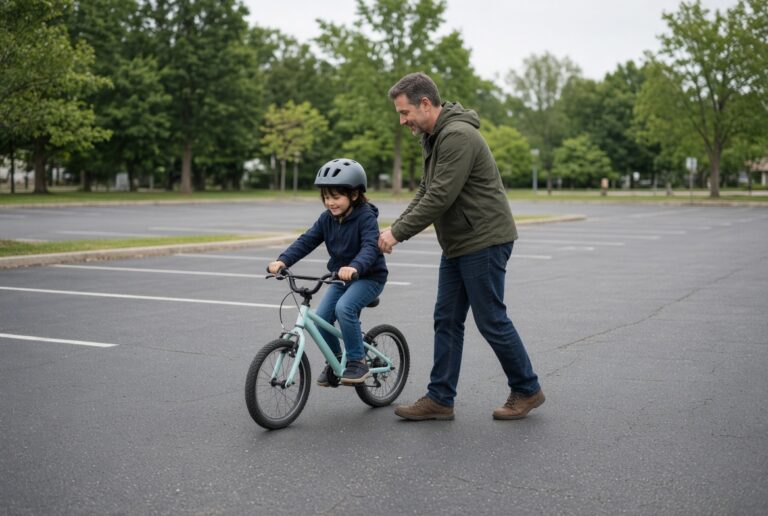
Take two children to an empty car park for a cycling lesson and one of them will probably appoint themselves
coach. “I learnt quicker than that,” they say, just as the learner takes a foot off the ground. You still have to
manage the bike, the bruised pride and your own wish for it to click before lunchtime. Bring a drink. Forget the
deadline.
It is easier when the bicycle does not add to the struggle. Bobbin Bikes makes children’s cycles in a range of
sizes and styles, but whichever one you choose, let your child handle it before you call it the right bike. Can they
push it without help? Does it feel steady when they sit down? Can they reach the brakes? Those things matter
more on the first afternoon than how far they get.
Confidence first, distance later
“Ride to that fence” sounds harmless until the fence becomes all your child can think about. Try a smaller
invitation. Sit on the saddle. Walk the bike forward. Lift both feet, just for a second. Then stop. They can have
another go if they want to.
A parent may see no progress in a ride that ends after a few metres. Look a little closer. Perhaps they got on by
themselves this time, or squeezed the brakes instead of dragging their shoes along the ground. Tell them what
you saw. “You stopped before the white line” lands better than another round of “Good job!” when they are
trying to work out what they did right.
And if they ask for a break after five minutes, take it. A short ride that ends with “Can we come back?” is worth
more than another lap coaxed out of tired legs. You can always practise again. Getting a child who no longer
wants to try back onto a bike takes longer.
A teaching method that does not end in tears
Find a bit of level tarmac with room for a child to veer off course. A car park can be good for this, but have a
look at its entrance first; “empty” does not always stay empty. Before anyone sets off, check the tyres, try the
brakes and sort out the helmet. It is the dull part. Do it anyway.
Lower the saddle so both feet reach the ground when your child is sitting down. Pedalling can wait. Some of
what looks like messing about is useful practice:
- Let them walk with the bike first. This helps them get used to its weight.
- Pushing towards a mark on the ground, then squeezing the brakes before they reach it. Let them pick
the mark. - Lifting their feet for a short glide. If the pedals keep catching their legs, a balance bike works too. Or ask
someone who knows how to remove the pedals and put them back later.
Stay nearby when they start pedalling. Help if they need you. A light hand at the back or under an arm helps;
Steering the handlebars for them does not. Say when you are about to let go. If you are giving too many
instructions, stay quiet for a moment. “Look ahead” is enough to be getting on with.
As for the older sibling announcing how quickly they learnt, they can take their bike to the other end of the car
park for a bit. There is no date by which stabilisers have to come off. If the learner has had enough, head home.
Tomorrow, ask which bit they would like to try first.
Why the bike itself is half the lesson
A bicycle that is too tall turns stopping into a worry. One that is hard to push can exhaust a child before they
have pedalled anywhere. And if their fingers cannot reach the brake levers, telling them to brake will not solve
much. It is tempting to put all this down to nerves, when the fit may be doing much of the damage.
Measure your child’s inside leg from the floor to the crotch, then check the saddle-height range of the bike. The
wheel size on its own will not tell you whether your child can sit and stop comfortably. At this stage, they should
be able to put both feet down securely. Once they are riding well, you can adjust the saddle again so pedalling
feels easier.
If you are looking at children’s bikes, get your child to try the unglamorous bits: walking one round, turning it,
climbing on, reaching the brakes. Watch where they struggle. A bike should suit the child standing in front of
you, rather than the taller version you are expecting next year.
Is it worth buying a size up? For a learner, usually not. Extra growing room is little use if they have to tiptoe at
every stop. They need to control the bike today; a label saying they will grow into it cannot do that for them.
Turning practice into independence
Once the car park feels familiar, try a quiet park path. Pick a short section you can see clearly, with space to stop
if someone walks into it. There is no need to make a big announcement about the next stage. Ride a little way,
turn round, come back. Next time you might go further.
Ask your child where they would like to go within those limits. The bench or the pond? Does the bell go on now,
or after tea? Choosing a colour, a route or a stopping place gives them a say in something that has probably
involved a lot of adult instruction.
A first family outing can be a ride to the end of the path and a walk home. Leave time for that. The aim is to
help your child judge when to slow down, when to stop and when they are ready to set off again. You will still
be nearby, of course. Just a little less necessary than you were last week.
The wheels may wobble for a while yet. If your child asks to take the bike out again, and you are not dreading
the trip, you have both done well.