Need fresh ideas to keep your kids happy, busy, and off the “I’m bored” loop during school holidays?
The good news is that fun does not need to mean constant spending or a packed schedule. Kids usually respond best to a mix of structure, freedom, movement, and simple shared time. When the days feel long, a little planning can make home life calmer for everyone.
School breaks are also a chance for children to try new things, build confidence, and enjoy family routines at a slower pace. The aim is not to fill every minute. It is to create enough variety that each day feels interesting without becoming chaotic.
Start With A Loose Daily Rhythm
A simple routine helps kids know what to expect and cuts down on aimless screen time.
Why Structure Helps
Children often do better when the day has a shape, even during time off. You might set a rough flow like breakfast, outdoor time, quiet play, lunch, creative activity, and free choice in the afternoon. That kind of rhythm gives them security without making the holiday feel like school.
Build In Choice
Give kids two or three activity options instead of planning every detail yourself. That keeps them involved and lowers resistance. A child who gets to choose between baking, painting, or a backyard obstacle course is more likely to join in with real interest.
Use Home As Your Activity Base
Some of the best holiday entertainment starts with ordinary things you already have around the house.
Create Simple Activity Stations
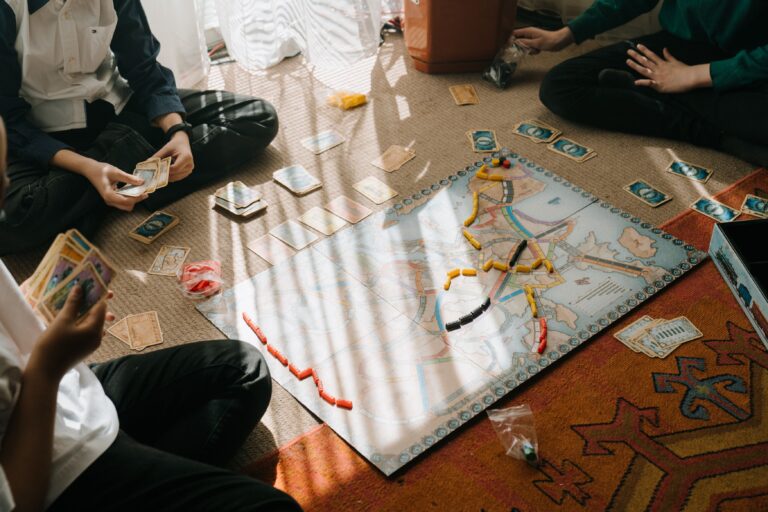
Try setting up small areas for different kinds of play. One corner can hold books and cushions, another can have craft supplies, and the kitchen table can become a puzzle or board game space. If you are planning snack time between activities, even choosing a time slot for food and drink can help the day feel smoother and more predictable.
Let Kids Help With Real Tasks
Children usually enjoy feeling useful. Cooking, folding laundry, watering plants, or organizing toys can all become part of the day. These jobs teach patience, responsibility, and practical skills, and they also break up long stretches of passive entertainment.
Make Outdoor Time A Daily Habit
Fresh air can reset everyone’s mood and burn off energy fast.
Keep It Simple And Regular
You do not need a big trip to make outdoor time count. A walk around the block, a visit to a local park, chalk drawings on the pavement, or a ball game in the yard can be enough. Regular movement helps sleep, focus, and emotional balance, which matters a lot during long breaks.
Turn Nature Into An Activity
You can make outdoor time more interesting by giving kids a small mission. Ask them to spot birds, collect leaves, count different flowers, or take photos of things that catch their eye. A basic nature challenge adds purpose without making things feel formal.
Mix Creative Time With Quiet Time
Not every part of the holiday needs to be loud or high energy.
Creative Activities Build Focus
Drawing, cutting, building, writing stories, and making up little shows all help children use their imagination. These kinds of activities are especially helpful in the middle of the day when energy starts to dip. They also give kids a sense of progress because they can see what they made.
Quiet Time Matters Too
Even older children benefit from a calm part of the day. Reading, audiobooks, coloring, or independent play can help prevent overstimulation. Quiet time is not a punishment. It is a reset, and it often leads to better moods later on.
Use Screens With Clear Limits
Screen time works best when it is planned instead of used as the default answer to boredom.
Set Expectations Early
It helps to decide in advance when screens are available and for how long. Kids handle limits better when the rules are clear from the start. You might allow screen time after outdoor play or after lunch, rather than leaving it open all day.
Balance Passive And Active Fun
If children spend part of the day on a tablet or watching a show, balance it with movement, conversation, or hands-on play. The point is not to ban screens. It is to stop them from taking over the holiday and squeezing out everything else.
Keep Social Time And Family Time In The Mix
Connection is a big part of keeping school holidays enjoyable.
Plan Low Pressure Meetups
Kids often stay happier when they see friends now and then. Playdates, park meetups, or shared activities with cousins can break up the week and give them something to look forward to. It does not need to be elaborate to feel special.
Protect Simple Family Moments
Some of the strongest holiday memories come from ordinary time together. Reading before bed, cooking dinner as a family, playing cards, or taking an evening walk can turn a regular day into one that feels warm and memorable. When children feel connected, they usually need less constant entertainment.
Keeping kids entertained during school holidays is really about balance. A bit of routine, a bit of freedom, active time, quiet time, and shared time can go a long way. When you stop trying to make every day perfect, it becomes much easier to make the break enjoyable for both kids and adults.